
Engineering Expertise
Solutions are found when you apply the right resources to tackle the challenges at hand. With over 77 years controlling pressure, fluids, flow, electronics and power, we have the engineering expertise to provide innovative control systems for challenging operating requirements on aerospace & defense platforms. Our streamlined engineering processes, combined with our state-of-the-art engineering resources and tools, will lead you to the most cost-effective, reliable solution to help you retain your competitive edge.

Electrical Engineering
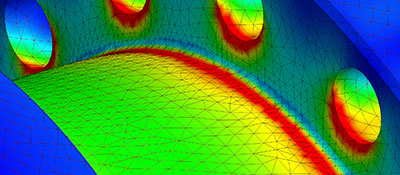
Design & Analysis Tools
- Cadence
- Mentor
- xSpice
- Ansys
- Matlab
- Relex
- Abaqus
- Creo
- Mathcad
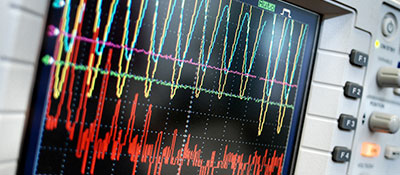
Analysis Capabilities
- Circuit tolerance
- Monte Carlo
- Component stress & derating
- Thermal & stress FEA
- Mechanical tolerance
- Sneak circuit
- Stability & dynamic response
- CFD
- Steinberg/Engelmaier solder stress
- Reliability & FMECA
Parts & Requirements Management
- DOORS
- Requirement traceability
- Silicon expert database
- Tin whisker mitigation
- Source from AEC-100 qualified sources

Mechanical Engineering
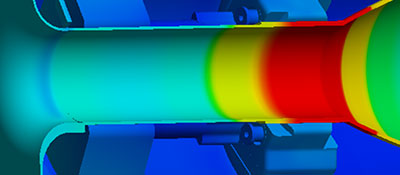
Analysis Capabilities
- Computational Fluid Dynamics
- Structural finite element analysis
- Thermal finite element analysis
- NASGRO
- Electromechanical analysis
- Dynamic simulation
- Reliability / FMEA / FMECA / PFMEA
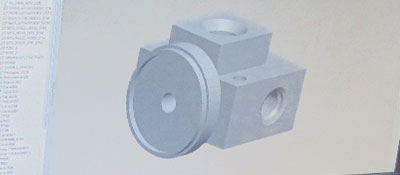
Design & Analysis Tools
- ABAQUS
- Ansys
- Creo
- Matlab
- Mathcad
- Pro/Mechanica
- Custom Solenoid Design Software
- Tolerance stack up
- Material compatibility database
- Galvanic couple analysis database
Parts & Requirements Management
- DOORS
- Requirement traceability

Software Engineering
Marotta Controls supports all phases of the software design and development life-cycle process. We have expertise with the necessary standards-based development processes, documentation, languages, platforms and tools used in the aerospace and defense industries. Our expertise includes:
- Requirements Based Testing
- Unit Testing
- FMET Testing
- Languages: C, Assembly, Visual C/C++
- HDL Programming for FPGAs and CPLDBranch Coverage
- MISRA Standard for Defensive, Safe, Reliable Programming
- DO-178B Capable
- ISO 12207
- JSF Seal 2
- Documentation to ISO 12207 & DO-178B Capable Standards
- Statement Coverage
Frequently Asked Questions About Systems Engineering
What is mission-critical systems engineering in space and aerospace programs?
This is the coordination of mechanical, electrical, and software disciplines to ensure reliable system performance in aerospace and space system architectures. It focuses on requirements management, integration, and lifecycle performance to meet the unique requirements of these systems.
How does systems engineering differ between space, aerospace, and naval applications?
Environmental conditions such as vibration, vacuum, and thermal cycling may vary depending on the vehicle and the application, but end-to-end systems engineering adapts to each with the same core methodologies. For example, space systems typically emphasize non-serviceable, long-duration operation, whereas aerospace and naval systems may prioritize access and maintainability. Marotta’s cross-market experience gives us the knowledge to provide the engineering judgment and risk management expertise our clients need.
Which engineering disciplines are involved in complex control systems?
We integrate mechanical, electrical, and embedded software engineering to ensure all subsystems work together as intended. Our space system engineers use analysis, simulation, and targeted testing to evaluate performance, identify risks, and validate system behavior across space, aerospace, naval, and defense applications.
Why is requirements traceability important across regulated industries?
Traceability ensures design decisions remain aligned with safety, system, and mission requirements. It supports verification, validation, and program reviews across spaceflight, military aviation, and naval programs, managing complexity as well as compliance.
When should systems engineering begin in a program lifecycle?
Systems engineering should be integrated as early as possible, during concept definition and requirements development. This reduces integration risks and redesign across space, aerospace, and defense platforms. Early trade studies and analysis are especially valuable for programs that have tight performance margins.