
Reliable, Repeatable Control
Relief valves provide crucial control in many systems, relieving pressure of liquid, gas or steam as it rises beyond the allowable level. Aerospace and marine pressure relief valves are critical for preventing excessive pressures from damaging critical components. Marotta Controls provides our customers with a wide range of flow controls for aircraft, naval vessels, space vehicles and more.
We offer a complete line of soft opening and closing relief valves for high-pressure applications with excellent, repeatable control and a tight cracking/reseat pressure band due to upstream pressure control.
Marotta has developed high-pressure relief valves for systems that contain gases and liquids in a variety of pneumatic, hydraulic and cryogenic applications. These improved hydraulic pressure relief valves and pneumatic pressure relief valves are designed to suppress instabilities that shorten operational lifetimes and create hazards in the operation of older pressure safety valves. Marotta has a wide selection of low- and high-water-pressure relief valves with excellent harsh-environment flow control characteristics.
- High-pressure applications
- Hydraulic systems
- Pneumatic systems
- Cryogenic systems
- Aircraft controls
- Missile controls
- Shipboard controls
How Pressure Relief Valves Support Critical System Protection
Pressure relief valves are some of the most important protective devices found within mission-critical systems. These pressure relief valves are used in hydraulic, pneumatic, and cryogenic systems and are designed to prevent over-pressurization in closed or semi-closed systems that handle liquids or gases. They serve as a last line of defense, safeguarding downstream components as well as system integrity when pressure exceeds allowable limits. Repeatable cracking and reseating behavior are critical for maintaining system stability over long service lives. Chatter suppression and minimal hysteresis are also important during sudden pressure transients.

PRV95-FA
Unlike other direct-acting relief valves, the PRV95 has a pressure-sensing disc on the poppet upstream of the seat that controls the valve position. By placing this control surface in the area of relatively constant fluid density, the PRV95 provides highly stable control throughout its operating range. Marotta provides these valves in standard stainless steel construction as well as other materials upon request.
- Smooth, chatter-free flow control design
- Contamination-tolerant flow control
- Cartridge designs for ease of maintenance
Fill out the form below to download PRV95

PRV95
Patented critical system protection design for chatter-free operation, this marine pressure relief valve was developed for critical applications on advanced nuclear submarines. The valve seat seals against the outer radius of the poppet, creating a larger sealing surface that delivers better protection against contamination. PRV95 submarine pressure relief valves provide repeatable operation with minimal hysteresis and eliminate the effects of turbulence on valve operation. Capable of tolerating pressures of up to 10,000 psg, these stainless steel valves offer exceptional durability and dependability while also being relatively easy to maintain.
- Patented design
- Manual override and gagging options
- Maximized repeatability
Fill out the form below to download RV Series Marine
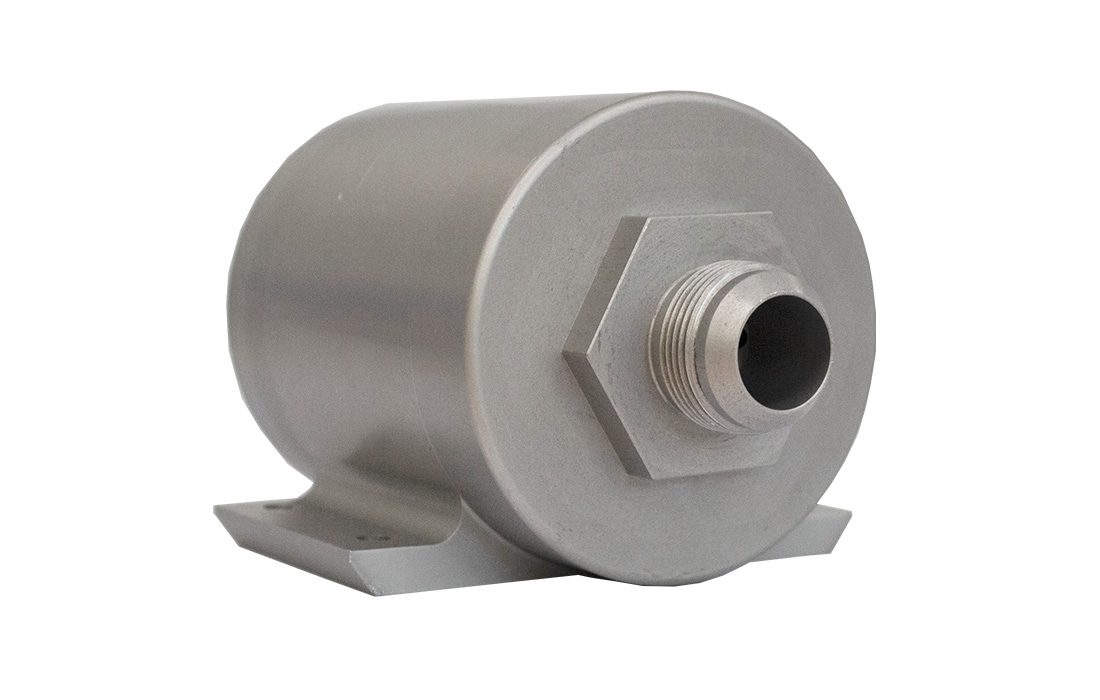
Positive Pressure Relief Valves
PPRV inverted positive pressure valves are specifically designed to safely relieve space capsule over-pressurization. These proven, flight-qualified pressure relief valves’ Vespel® seats, pistons and o-ring seals prevent leakage paths from depressurizing the capsule. The valve, poppet and seat in these capsule pressure relief valves join together under safe operating pressure and can separate quickly at an adjustable setpoint to reach maximum flow position with minimal pressure drop. Their floating piston design allows these spacecraft over-pressurization valves to crack and reseat within a narrow pressure band of 0.75 psi.
- Adjustable cracking pressure
- Floating piston design
- Compact design, low maintenance
Fill out the form below to download PRV
To learn more about everything we have to offer as your pressure relief valve manufacturers, get in touch with us today to discuss your needs.
Frequently Asked Questions About Pressure Relief Valves
What is the primary function of a pressure relief valve?
These valves are designed to protect mission-critical flow control systems by relieving excess pressure when predefined pressure limits are exceeded. Remaining closed during normal operation, they actuate only during abnormal or transient pressure events. This makes them critical in aerospace, naval, and space systems.
Why is repeatability important in pressure relief valve performance?
Consistent cracking and reseating behavior helps maintain stable system operation and reduces uncertainty during transient pressure events.
What environments are pressure relief valves commonly used in?
These components are found across aircraft, naval vessels, spacecraft, and missile systems. They deliver dependable performance in environments with high pressure, vibration, and demanding duty cycles.
How do pressure relief valves differ from pressure regulators?
High-reliability pressure relief valves are used for protection, whereas regulators serve to control flow during normal operation. Relief valves remain closed until pressure exceeds normal thresholds. Regulators, on the other hand, open and close continuously.
What factors are considered when selecting a pressure relief valve manufacturer?
Some of the most important considerations when selecting a manufacturing partner include the application environment, required reliability, material compatibility, and how the valve should integrate into high-pressure aerospace, naval, or space systems. It’s also critical to work with a manufacturer with deep experience designing pressure relief valves for mission-critical applications where long-term durability and repeatable performance are required. The manufacturer should have the qualifications, engineering capabilities, and experience to support demanding system requirements.