High Pressure Aircraft Pneumatic Systems

High Pressure Pneumatic Systems

We have a wide variety of proven, reliable high-pressure aerospace pneumatic systems – from simple high-pressure pneumatic valves and bottles to the innovative MPACT® Pure Air Compression Technology system which is fully integrated with electronics, micro-compressor, and valve/manifold system.

With extensive experience in pneumatic control systems, our facility contains the infrastructure to manage high volume production for a wide variety of these controls including up to 200 units per month. Since our founding in 1943, we have earned a reputation for being on the leading edge of technology, and our aircraft pneumatic systems prove it. Our expertise has made us the go-to supplier of pneumatic systems for mission-critical applications in some of the most demanding sectors in the world. We specialize in aircraft release systems that can contend with the harshest conditions and deliver outstanding performance no matter what.

MPACT Brochure

Download Brochure

Fill out the form below to download MPACT Brochure
Aircraft Pneumatic Systems for Mission-Critical Applications

These systems utilize stored or generated high-pressure air to perform discrete mechanical functions within aircraft and defense platforms. Some of the most common applications for these include pneumatic weapon ejection, emergency release, and severing towed or tethered equipment. Because they don’t use pyrotechnics, these reduce residue, thermal effects, and reset time between missions. Some of the most important integration considerations for these systems include response time, packaging constraints, and interface compatibility within aircraft racks, bays, and pylons.

Pneumatic Firing Valve

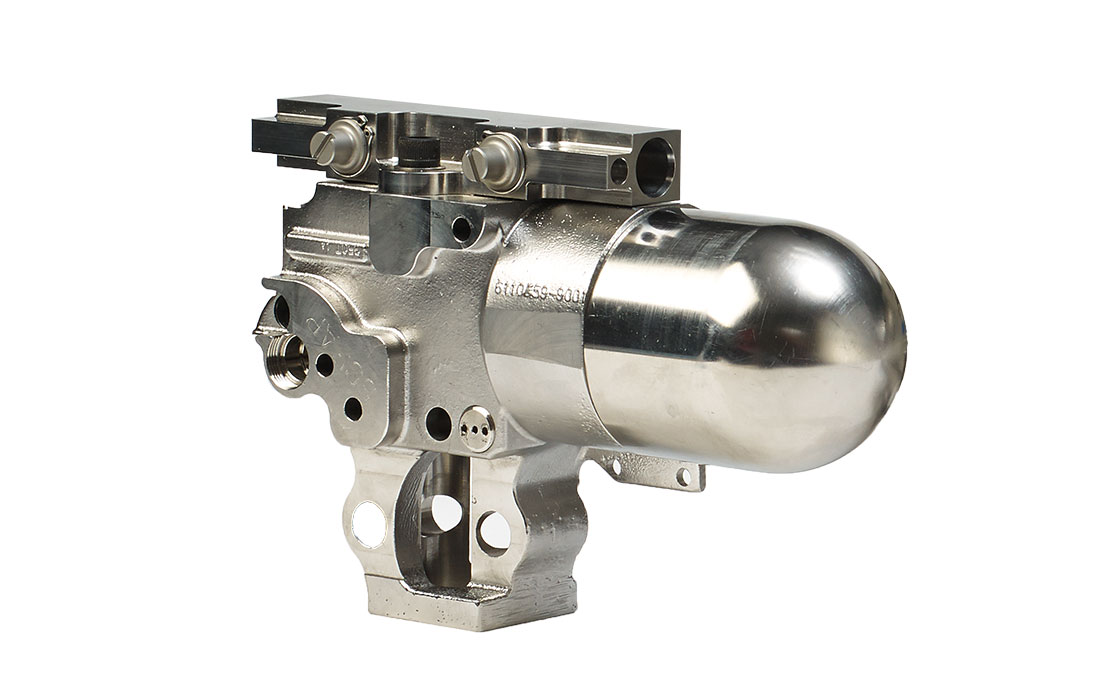
Marotta’s pneumatic ejection valve manifold assembly system consists of a firing valve, integral accumulator, relief valve, manual vent valve, integrated latch points, pitch control valve and dual outlet ports all in a high-performance package.

  • Integral latch actuator
  • Precision inverted relief valve
  • Qualified MIL-STD-810

The firing valve uses precise air-release timing to support repeatable, shot-to-shot ejection profiles. With integrated safety features and mechanical interlocks, this flight-qualified control valve prevents unintended actuation. These pneumatic firing valves are often used in high-pressure, short-duration actuation events common in weapon release systems because they deliver reliable performance without the need for pyrotechnics.


Pneumatic Cable Cutter

Designed to sever the cable of a device in tow in the event of an emergency, this pneumatic cable cutter severs bars or cables in milliseconds. Marotta’s system was the first pneumatic cutter to replace pyrotechnics in a military application.

  • Millisecond operation
  • Manual actuator override
  • Blade and anvil repairable

These are used for specific contingency scenarios where a controlled mechanical action must occur immediately and without reliance on electrical power. Their predictability and relative simplicity ensure the systems perform the same way every time they are activated, regardless of flight state.

Frequently Asked Questions About Aircraft Pneumatic Systems

What are aircraft pneumatic systems used for?

These aircraft safety pneumatics are used primarily for discrete aircraft pneumatic actuation events such as releasing, ejecting, or severing components in time-critical functions where rapid, predictable force application is required. Some common examples include weapon ejection and emergency pneumatic release. In this way, they support mission execution and safety functions.

Why are non-pyrotechnic pneumatic systems used in aircraft?

Not only do these pneumatic actuation systems avoid combustion residue and localized thermal effects, but they also eliminate the single-use components common to pyrotechnic systems. Non-pyrotechnic aircraft systems support faster system reset and readiness between missions while also ensuring operational cleanliness, repeatability, and predictable behavior under controlled conditions.

How do aircraft rack-mounted pneumatic systems achieve consistent performance?

Controlled pressure storage and release help ensure repeatable actuation results in these systems. The integration of pneumatic valves, accumulators, and aircraft pneumatic manifolds is critical for predictable system behavior across repeated operations.

Where are rapid-response pneumatic systems typically installed on aircraft?

Typical installations include bomb racks, weapons bays, external pylons, and adjacent structural assemblies. Their placement is driven by functional proximity, available space, and interface requirements. Other considerations include mounting geometry, connection routing, and accessibility for integration and servicing.

What factors are considered when selecting aircraft pneumatic components?

Key selection factors for integrated pneumatic assemblies include reliability, response time, and environmental tolerance in airborne conditions, as well as compatibility with surrounding systems such as mechanical interfaces and control architectures. No matter what, they must provide consistency and predictability of operation in mission-critical scenarios.