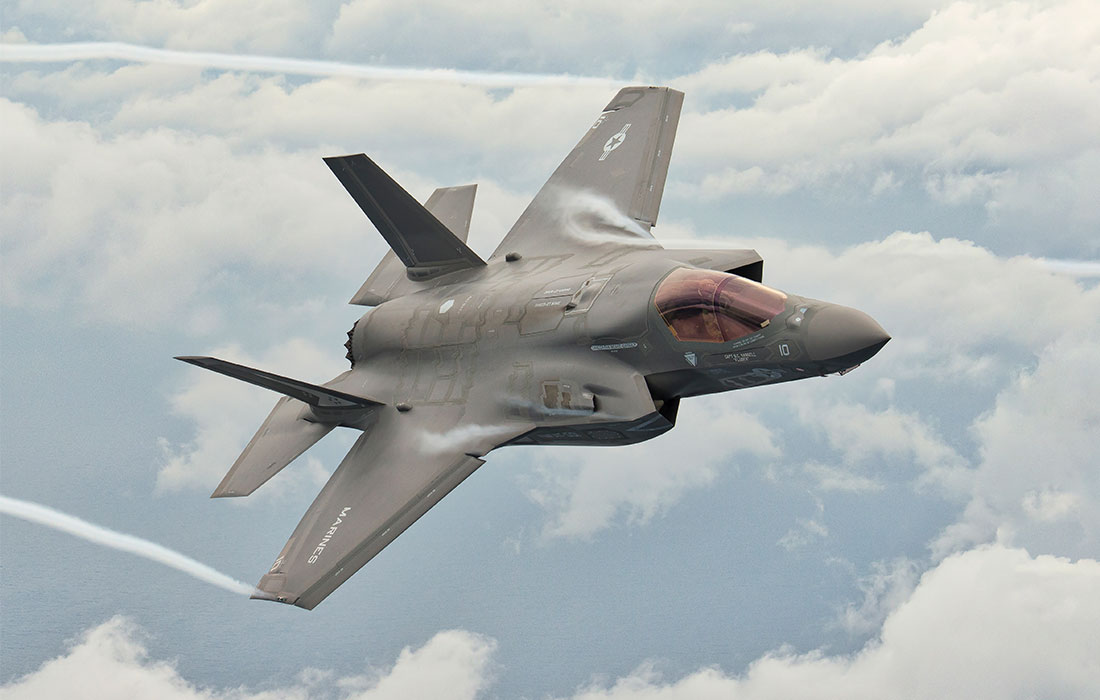
Flight-critical aerospace and defense systems need components that go above and beyond the standardized specifications found in other applications. This is due to the extreme stresses these systems face, as well as the critical nature of their function. Lives literally hang in the balance, which is why flight-qualified valves are essential.
These are fluid-control components that undergo formal design validation and qualification for use in flight-critical systems. This is no mere generic certification, but a demonstrated capability within defined operating limits and specific mission profiles. The qualification is driven by the operational environment, including vibration, shock, pressure extremes, thermal cycling, and, in some cases, vacuum exposure. Unlike standard commercial or industrial valves, flight-qualified aerospace valves are designed to provide predictable performance under dynamic flight conditions. This means valve reliability, repeatability, and controlled behavior are the priorities, rather than cost, convenience, or general-purpose flexibility.
Where Flight Qualified Valves Are Used
Among the most common use cases for flight-qualified solenoid valves are propulsion feed systems, pneumatic actuation systems, pressurization systems, thermal control systems, and fluid isolation systems. They are important for timing-sensitive operations including actuation sequencing, pressure management, and controlled fluid delivery.
These valves are often embedded within larger subsystems where failure can propagate beyond the valve itself. Many applications for these valves involve intermittent duty cycles over long operational lifetimes rather than continuous operation. This means consistent performance across repeated missions or long-duration deployments is crucial.
What Makes a Valve Flight Qualified
There are numerous qualities that influence whether a valve can be considered flight qualified. For example, the materials selected can support the performance of the component under temperature extremes, mechanical loads, and exposure to aggressive fluids or gases. The sealing strategies employed should manage leakage while also accommodating thermal expansion, vibration, and pressure cycling.
Qualification testing for aerospace fluid control valves includes environmental exposure, functional cycling, and performance verification. The objective is to demonstrate predictable behavior, not measure peak performance. Flight qualification is often specific to a valve’s configuration, operating range, and application context.
Flight Qualification vs. Space Qualification
Valves that are flight-qualified are suitable for use in airborne and defense platforms, but qualifying them for spaceflight systems introduces additional challenges. Space qualification for valve assemblies introduces additional constraints such as vacuum exposure, radiation, and long-duration operation.
There are areas in which space-proven valve technology and flight-qualified valves overlap, such as structural integrity, vibration tolerance, and thermal performance. However, valve performance requirements diverge in areas such as failure mitigation, serviceability, and expected duty cycles. Both qualification paths are mission-driven rather than hierarchy-based. This means spaceflight valve qualification is not simply a higher designation, but a different qualification category. With modular valve designs, components can be adapted to meet multiple qualification environments depending on the requirements.
Selecting Flight Qualified Valves for Mission-Critical Systems
Engineers must consider many factors when selecting flight-qualified pressure relief valves and other valve types. These valve design considerations include the operating pressure, fluid compatibility, response characteristics, duty cycle, materials selection, and available power. There also will be integration considerations such as envelope constraints, interfaces, and system-level interactions.
The right manufacturer of mission-qualified valve hardware should be able to provide documentation on qualification history and maintain a strong testing infrastructure. In addition, long-term program support, configuration control, and sustainment planning are among the most important factors that influence the selection of a flight qualified valve partner. Marotta Controls is an experienced manufacturer with decades of experience serving the aerospace and space sectors. We’re capable of supporting whatever qualification, integration, and lifecycle needs our customers’ programs may have. To learn more about what we have to offer in terms of satellite propulsion valves, cryogenic flow control, piezo-actuated control, or in-space propulsion solutions, get in touch with us today.
About Marotta Controls
Founded in 1943, Marotta Controls is a fully integrated solutions provider that designs, develops, qualifies, and manufactures innovative systems and sub-systems for the aerospace and defense sectors. Our portfolio includes pressure, power, motion, fluid, and electronic controls for tactical systems, shipboard and sub-sea applications, satellites, launch vehicles, and aircraft systems. With over 200 patents, Marotta Controls continues to build on its legacy as a highly respected, family-owned small business based in the state of New Jersey. LinkedIn: Marotta Controls, Inc.
# # #
Contact:
Katee Glass | Marotta Controls, Inc. | [email protected]